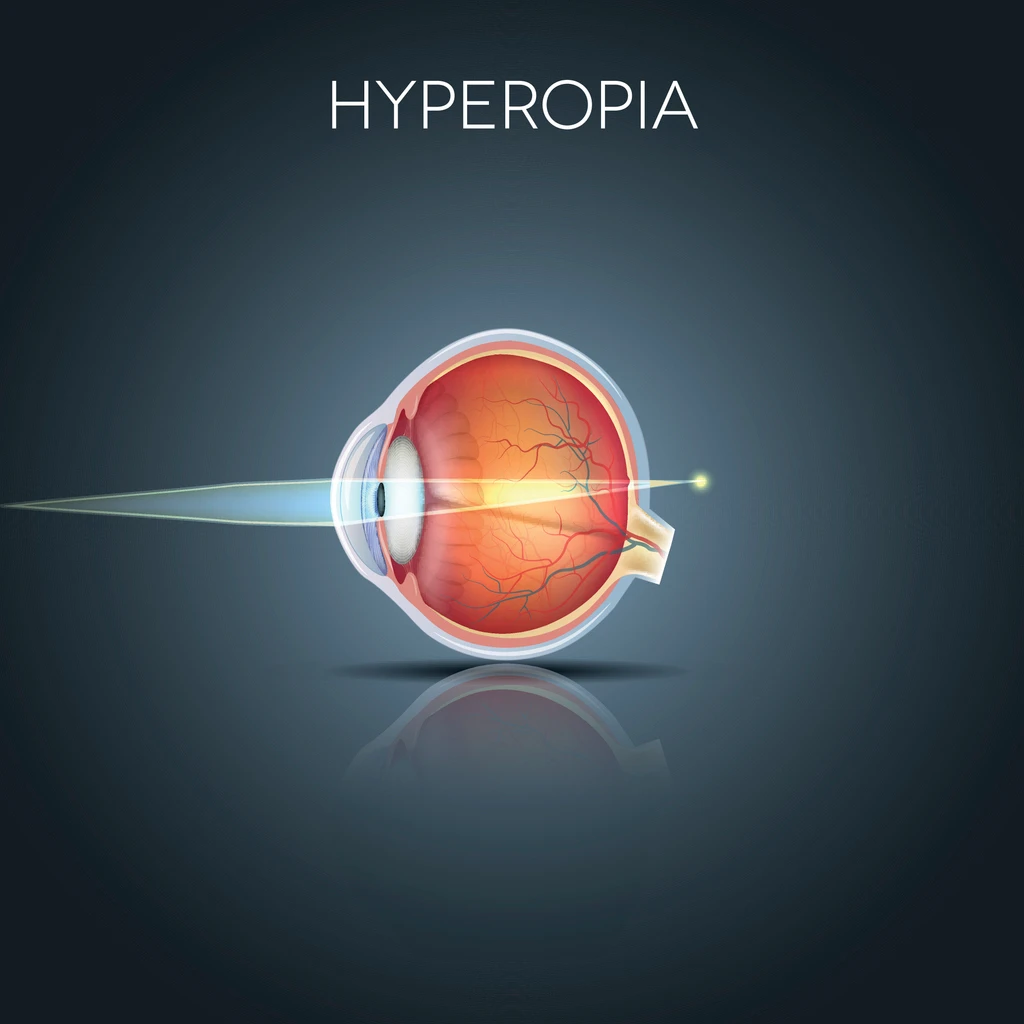
complianz-gdpr domain was triggered too early. This is usually an indicator for some code in the plugin or theme running too early. Translations should be loaded at the init action or later. Please see Debugging in WordPress for more information. (This message was added in version 6.7.0.) in /home/platne/serwer289828/public_html/autoinstalator/smorawskiokulistyka.pl/wordpress85328/wp-includes/functions.php on line 6131In hyperopia (farsightedness), the eyeball is shorter. Due to this reduced axial length, the eye’s natural refractive mechanism is unable to focus images on the retina, forming them behind it instead. Depending on the patient’s age and the severity of the defect, both distant and near objects may appear blurry. Hyperopia is the most common vision defect in infancy and early childhood, known as physiological hyperopia. During this stage of life, its presence results from the eye’s disproportionate growth relative to the rest of the body. Thanks to the remarkable accommodative capacity at this age, we are able to fully compensate for the effects of this defect, even if the values are as high as 10 diopters. During youth and early adulthood, two processes occur simultaneously: the hyperopic (plus) error significantly decreases, disappears, or even shifts into a myopic (minus) error, while our accommodative capacity substantially declines. Hyperopia that persists after the age of 30 becomes much more burdensome over time than any other distance vision defect.
The most challenging and burdensome situation occurs in hyperopic patients as symptoms of presbyopia begin to appear. In these cases, the accommodation mechanism becomes increasingly inefficient, leading to a need for higher spectacle power at all distances. Our natural lens no longer provides significant assistance in vision (as the accommodation mechanism fails), resulting in the necessity for progressively stronger glasses as the viewing distance decreases.
If your eyes fatigue quickly, are sensitive to light, or if you experience temporal or frontal headaches—this may be latent hyperopia. This is a very common cause of asthenopia (eye strain).
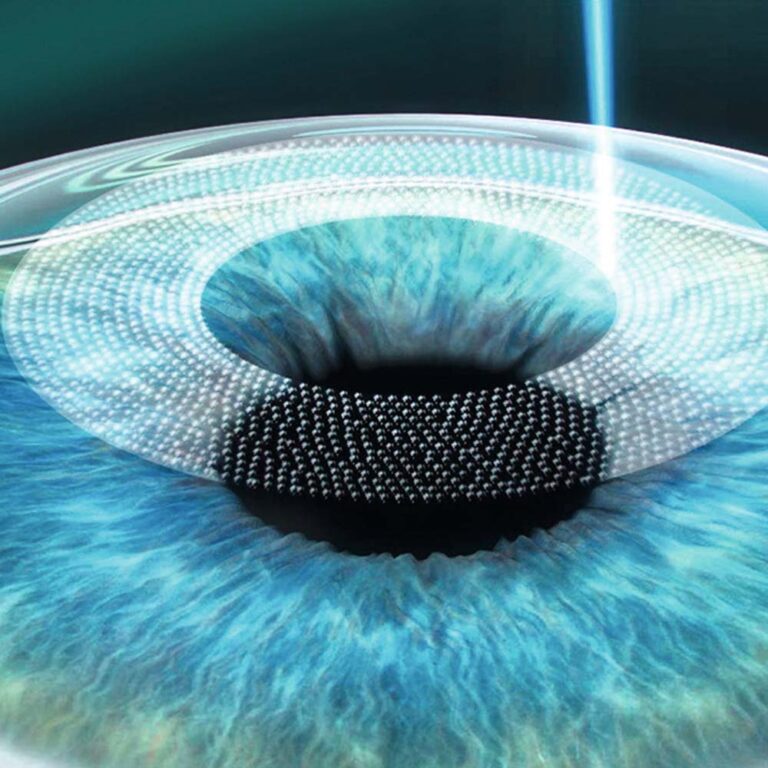
Laser vision correction for hyperopia involves increasing the cornea’s optical power so that the focal point of a clear image is formed closer, directly on the retina. This is achieved by increasing the corneal curvature, as a more curved surface refracts light more strongly.
Who is FemtoLasik for?
Why choose FemtoLasik?
Shortsightness (Myopia), Astigmatism, Myopic Astigmatism, Hyperopic Astigmatism, Presbyopia
Who is Presbyond for?
Why choose Presbyond?
Shortsightness (Myopia), Farsightedness (Hyperopia), Astigmatism, Myopic Astigmatism, Presbyopia
Who is Trans-PRK for?
Why choose Trans-PRK?
Mild Nearsightedness (Mild Myopia) and Myopic Astigmatism, Mild Farsightedness (Mild Hyperopia) and Hyoperopic Astigmatism, Mild Astigmatism
Who is EBK for?
Why choose EBK?
Mild Shortsightedness (Mild Myopia) and Myopic Astigmatism, Mild Farsightedness (Mild Hyperopia) and Hyperopic Astigmatism, Mild Astigmatism


Are you struggling with hyperopia and want to effectively get rid of this vision defect? Contact us to determine the treatment method that is best for your case.
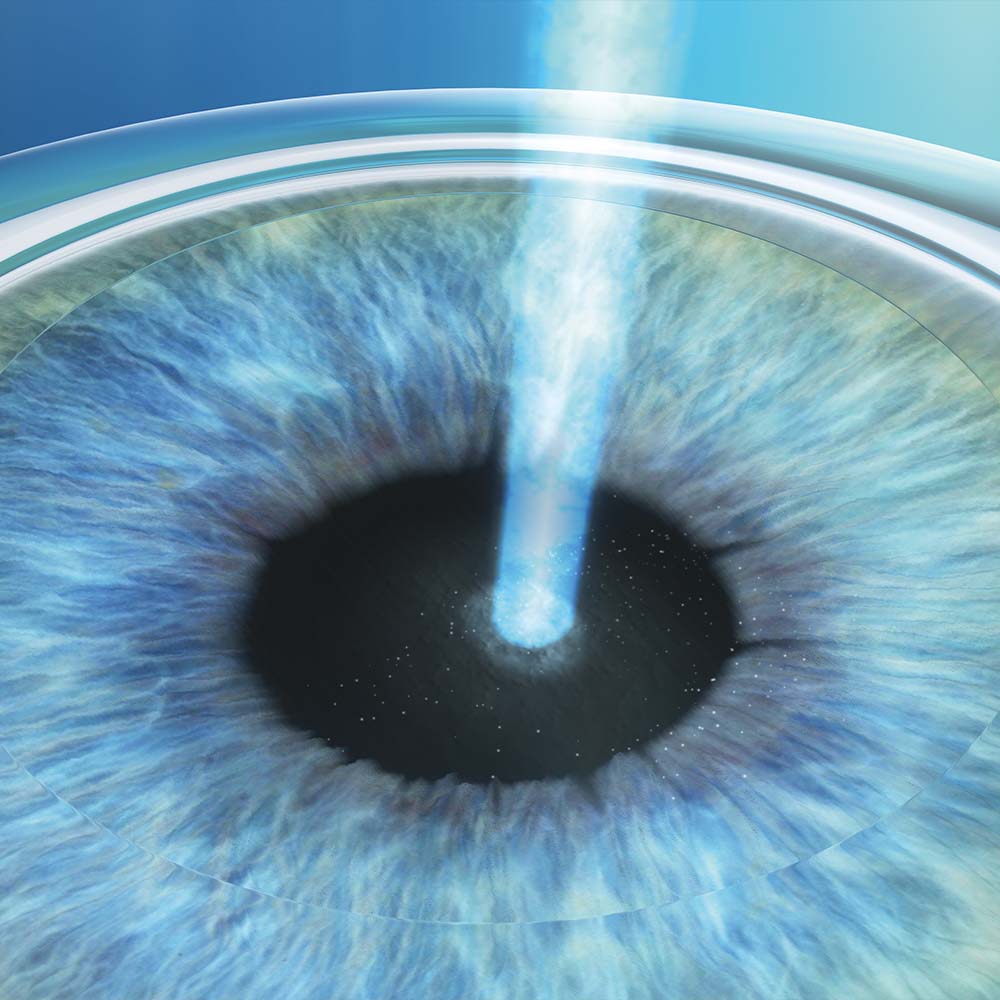
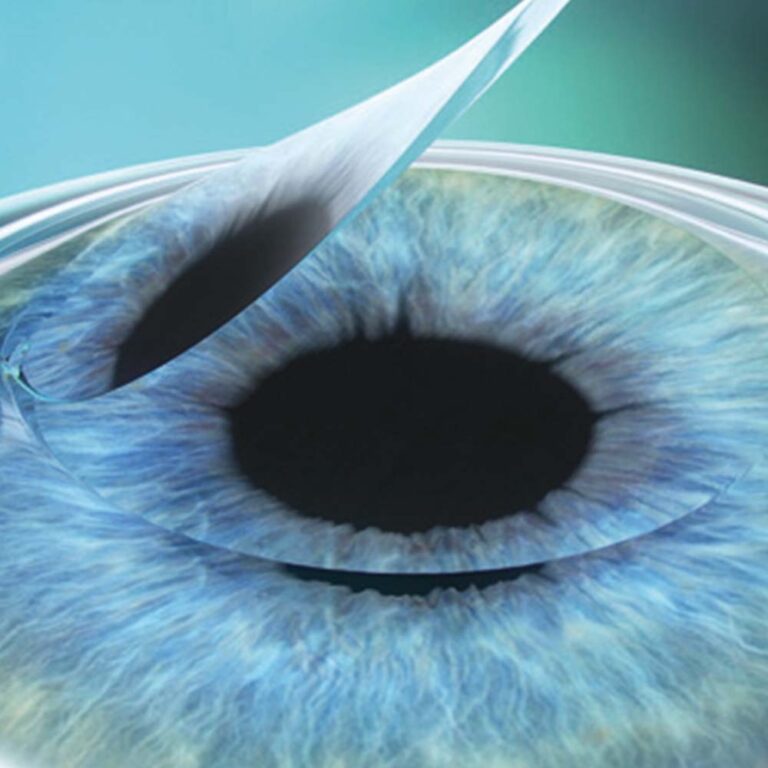
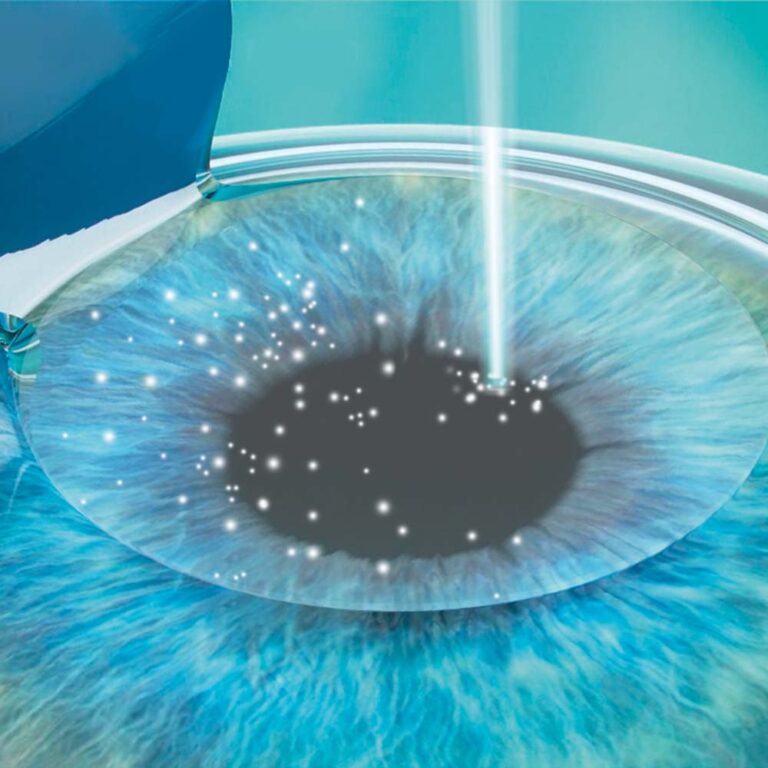
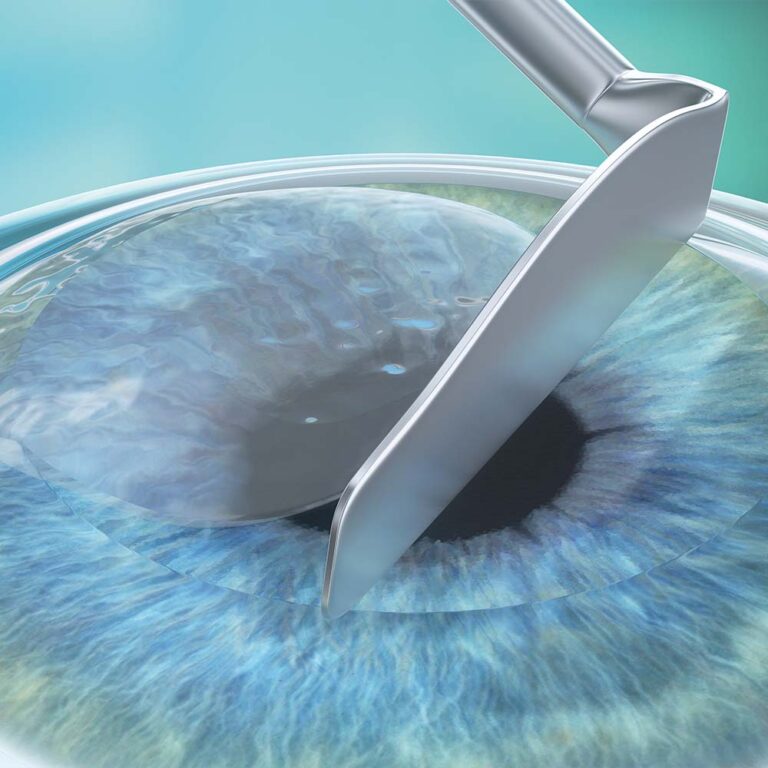
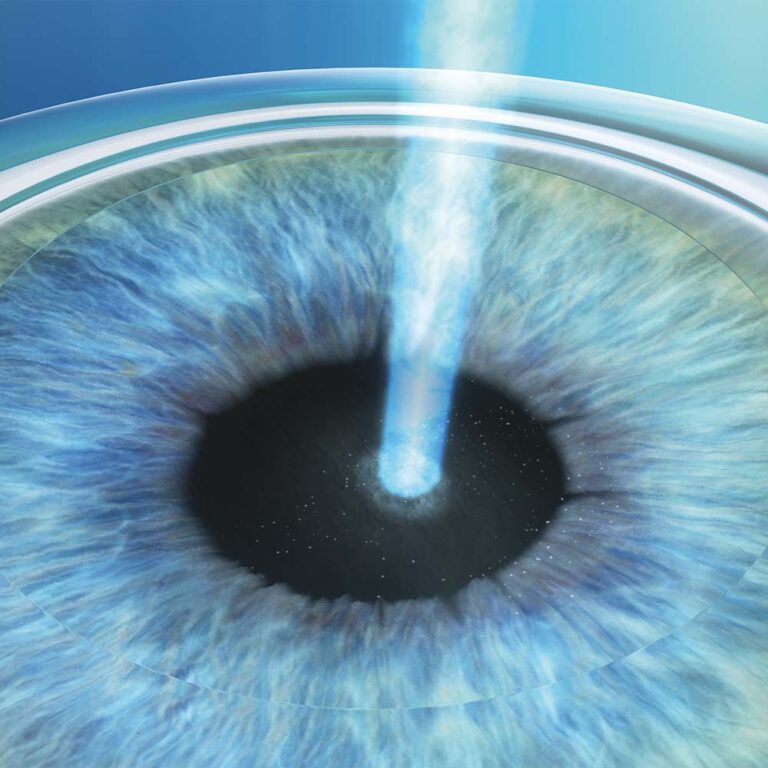
Hyperopia, hyperopic astigmatism, and astigmatism are the most resistant refractive errors to correct. To eliminate farsightedness, a change is required that results in increased corneal steepening. Steepening the corneal dome is significantly more challenging to achieve with laser correction than flattening it. This creates the need for a procedure with a higher EMO (Effective Modifying Power), which is more effective at reshaping the tissue. Femto-LASIK is such a procedure. It is a two-stage treatment. The first stage, which involves creating a corneal flap, simultaneously reduces the rigidity (softens) of the cornea. Once prepared this way, the cornea becomes much more pliable and susceptible to reshaping during the second stage. In the second stage, an excimer laser is applied to the corneal stroma exposed under the flap. In the treatment of presbyopia, we take advantage of the practicality and easy access provided by the presence of the corneal flap. As we age, the demand for visual power for near-distance work increases. To meet this growing need, we can compensate for the increasing near-vision impairment through a minimally invasive and simple method: a flap lift.
Presbyond gives the cornea a specific shape. After treatment with this method, the cornea has varying curvatures in different areas. This allows for increased corneal power in the specific zones used for reading, providing the patient with the additional boost needed for near-distance work.
However, not every patient is a candidate for the Presbyond procedure. Its effectiveness and feasibility depend on the initial corneal parameters, primarily the pre-operative corneal curvature, which is measured and evaluated at critical points.
The epithelium covers the corneal stroma and is its outermost layer. In surface methods (EBK, Trans-PRK, Topo-guided-PRK), the first step is the removal of the corneal epithelium. Due to the specific way the laser operates, removing the epithelium with a laser leaves the cornea highly uniform in terms of surface texture and hydration levels. The correction stage follows immediately after the epithelial removal phase, making the overall result significantly more predictable compared to manual removal.
The human eye is not perfect; minor irregularities often occur on the corneal surface. These are frequently compensated for by the overlying epithelium. Thus, the epithelium acts as a tissue that masks imperfections in the corneal stroma. When removing the epithelium manually, these surface imperfections are exposed rather than eliminated. However, by using an excimer laser for epithelial removal, we eliminate corneal irregularities along with the epithelium, achieving an optically ideal surface.
EBK and PRK are surface vision correction methods in which the first, preparatory stage is the removal of the corneal epithelium. In PRK, the epithelium is removed manually using a special solution that loosens the connection between the epithelium and the corneal stroma. In EBK, also a manual method, a specialized device called an epikeratome is used to remove the epithelium.
The corneal epithelium regenerates—or regrows—within several dozen hours, forming a perfectly smooth and even surface. The epithelium has a massive impact on visual quality, and even microscopic irregularities on its surface can drastically impair vision.
The epithelium is a fascinating structure with the ability to mask any imperfections of the underlying stroma. This characteristic is very often utilized in the treatment of corneal irregularities and keratoconus.